
Solid or improving turkey numbers in many western states should make the adventure more than worthwhile
Every turkey hunter deserves at least one trip out West. The stunning prairie or mountain scenery is reason enough. Throw in long seasons, and you have an excuse to extend spring. Finally, noisy Western birds often act a bit better than their frustrating Eastern cousins.
Really, every trip west of the Mississippi could be considered the adventure of a turkey hunter’s lifetime. And if you’re up for that in Spring 2026, prospects at most destinations look good.
Here’s what Western turkey hunters can expect this spring.
ARIZONA
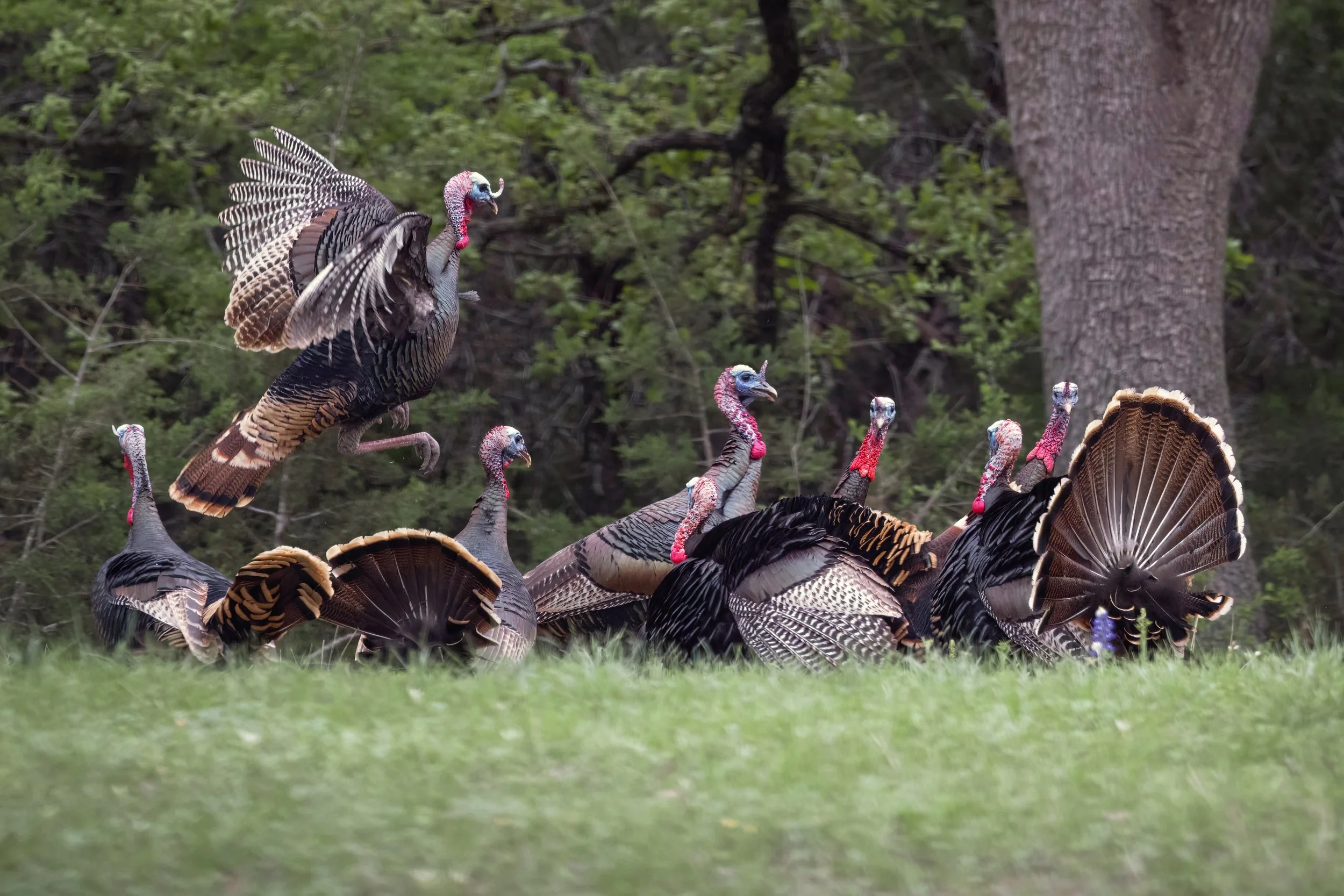
Spring 2026 hunts might be tough across the state because of severe drought through 2025, according to Rick Langley, terrestrial wildlife program manager for the Arizona Game and Fish Department, Region 1.
“While we should have good overwinter survival from last year, since it was mild, the dry spring and summer resulted in lower poult recruitment, so hunters should find fewer jakes, but 2- to 3-year-old birds should be available,” he said. “So far, our winter has been nonexistent into the first week of January, so we could see good overwinter survival as long as the birds can find adequate food sources. Mast, in the form of acorns and pine seed, is really lacking.”
Langley said the North Kaibab (Unit 12A) should be productive, as turkey populations there have been increasing the past couple of years. The eastern side of the state (units 1 and 27) should also be productive, as those units are typically wetter and have more habitat diversity.
Arizona has Merriam’s, Gould’s and a very small population of Rio Grandes. In Spring 2025, hunters took 1,160 Merriam’s and 69 Gould’s.
Read More: TURKEY HUNTING IN ARIZONA
CALIFORNIA
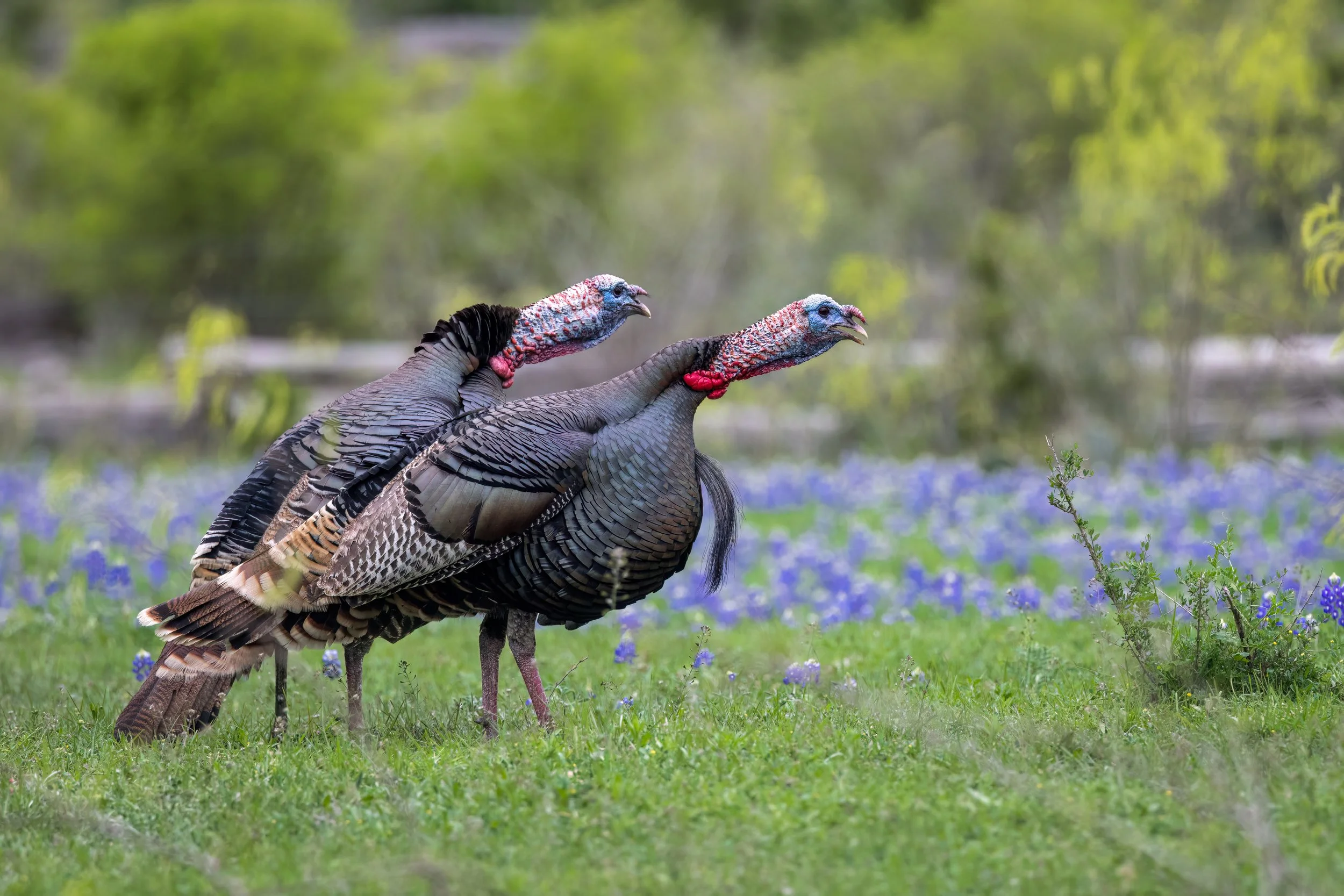
Prospects for Spring 2026 look good, as biologists’ models indicate the turkey population is stable statewide.
“Precipitation is currently 150% of the historical average for the water year, and upland game-bird populations have benefited from consecutive years with favorable winter rain after several dry years ending in 2022,” said Matt Meshriy, environmental scientist with the California Department of Fish and Wildlife’s Upland Game Program.
Meshriy said current turkey abundance indices are highest in the Sierra Nevada foothills and Central Valley, as well as around the San Francisco Bay. In northern California, hunters can find birds on U.S. Forest Service lands in the Cascade Range, and to the west in Mendocino and Central Coast Mountains.
Rio Grandes are the most widespread subspecies in California, and they’re found throughout the state’s oak woodlands, urban areas, and agricultural lands. Merriam’s and Easterns also inhabit the mountain regions in the northern part of the state. California turkey hunters shot 19,965 birds during Spring 2025.
Read More: TURKEY HUNTING IN CALIFORNIA
COLORADO
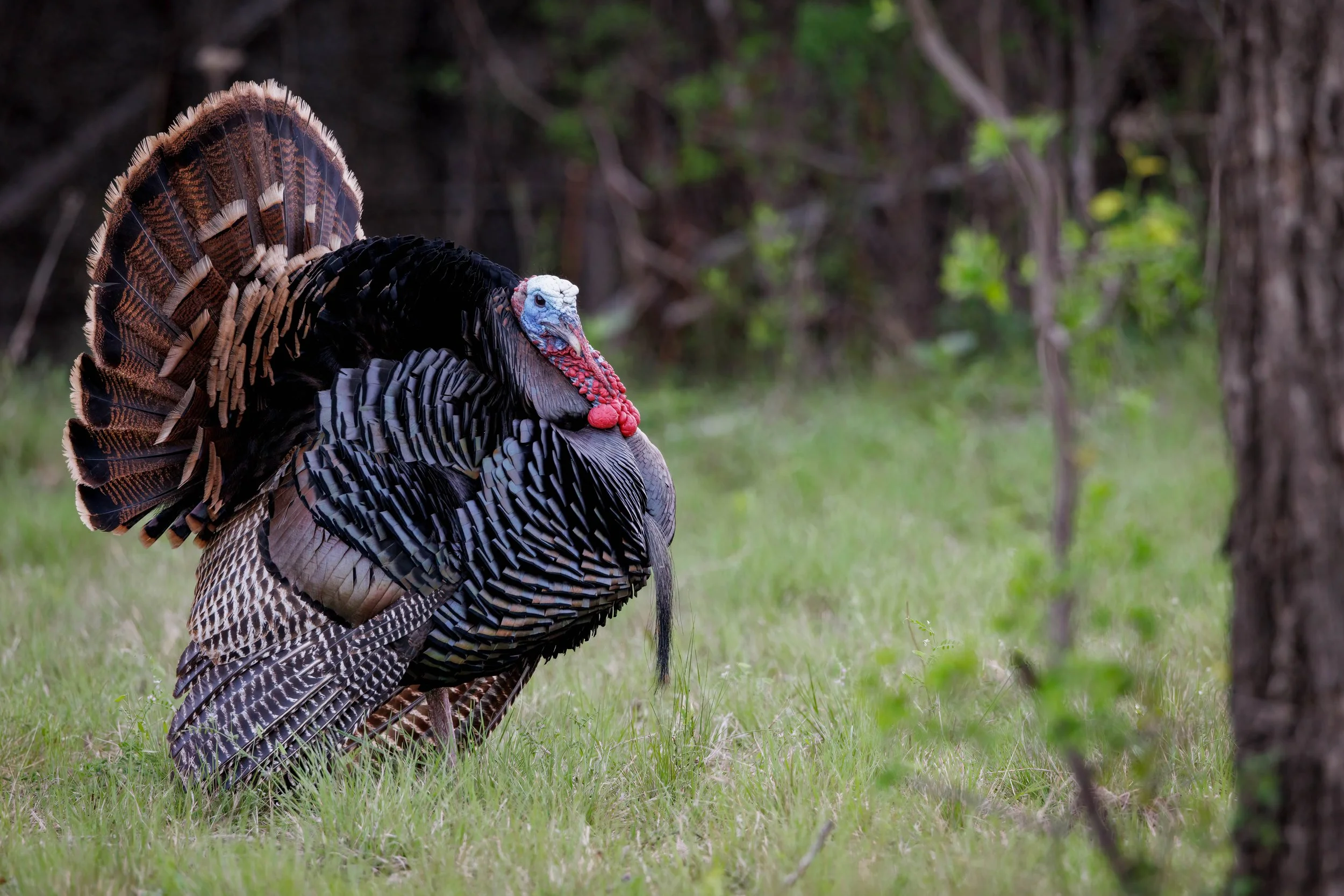
The Spring 2026 turkey season looks promising, with improved prospects driven by good poult production. Thanks to better reproductive success during 2024, there should be a solid class of 2-year-old gobblers.
Colorado has Merriam’s and Rio Grandes. The Gunnison Basin in western Colorado continues to be a top spot for Merriam’s, especially in areas where pine forests and meadows mix.
In 2024, Colorado hunters took 5,903 turkeys.
Read More: TURKEY HUNTING IN COLORADO