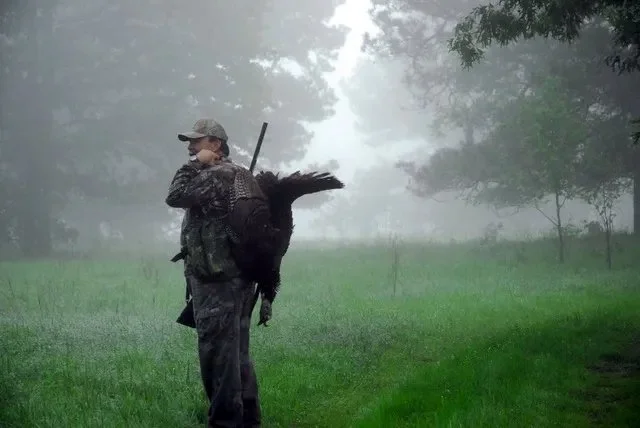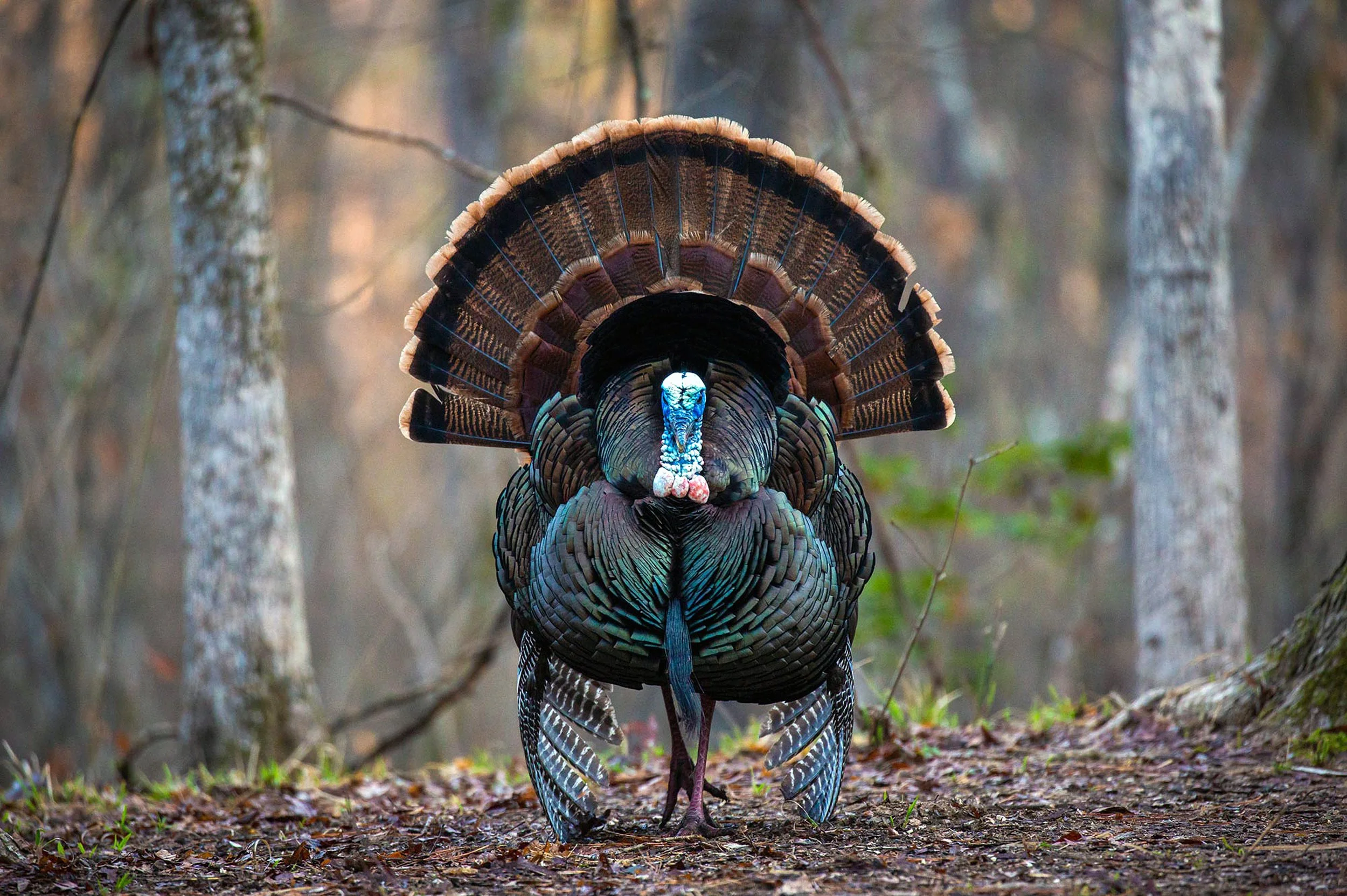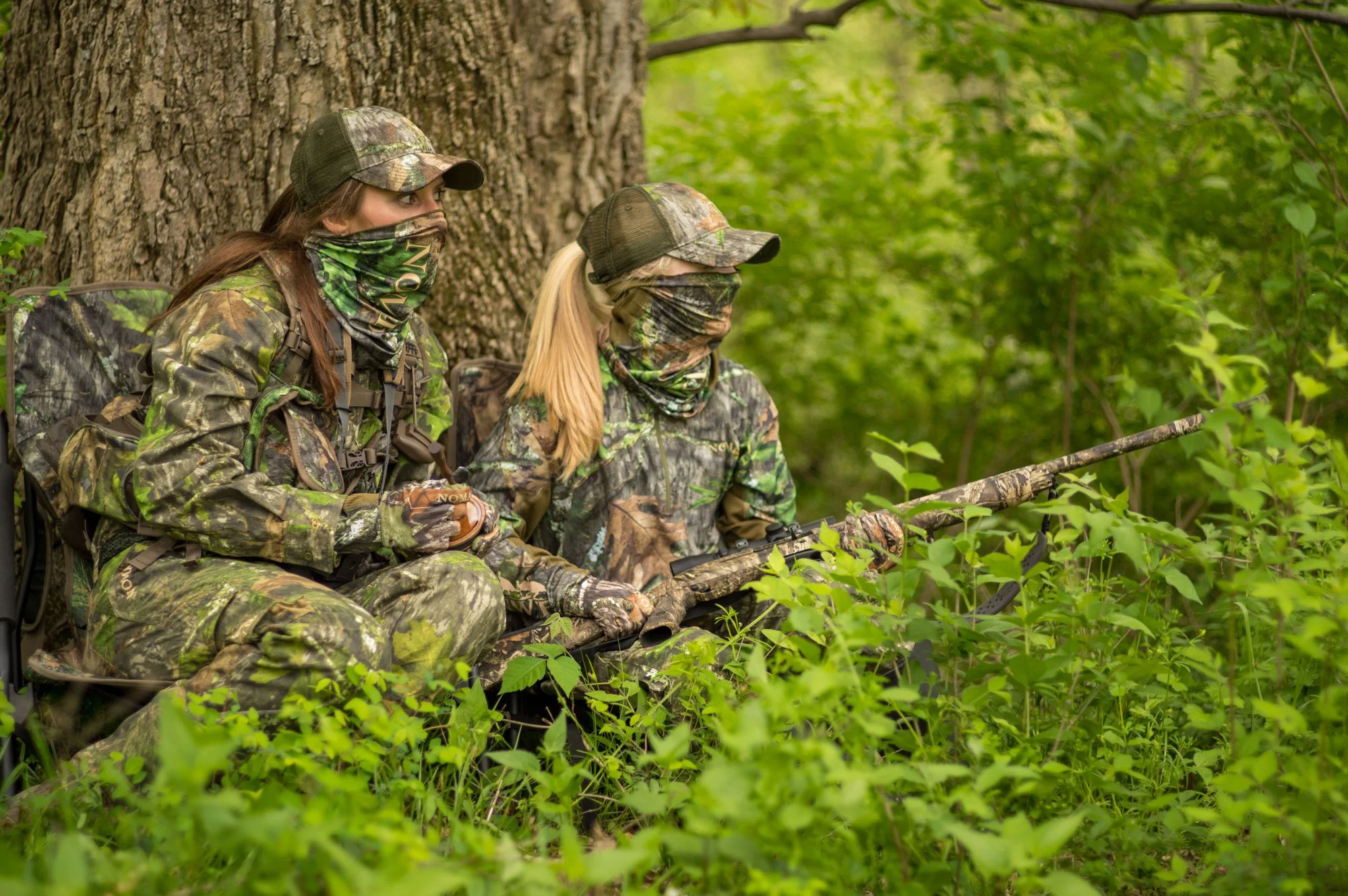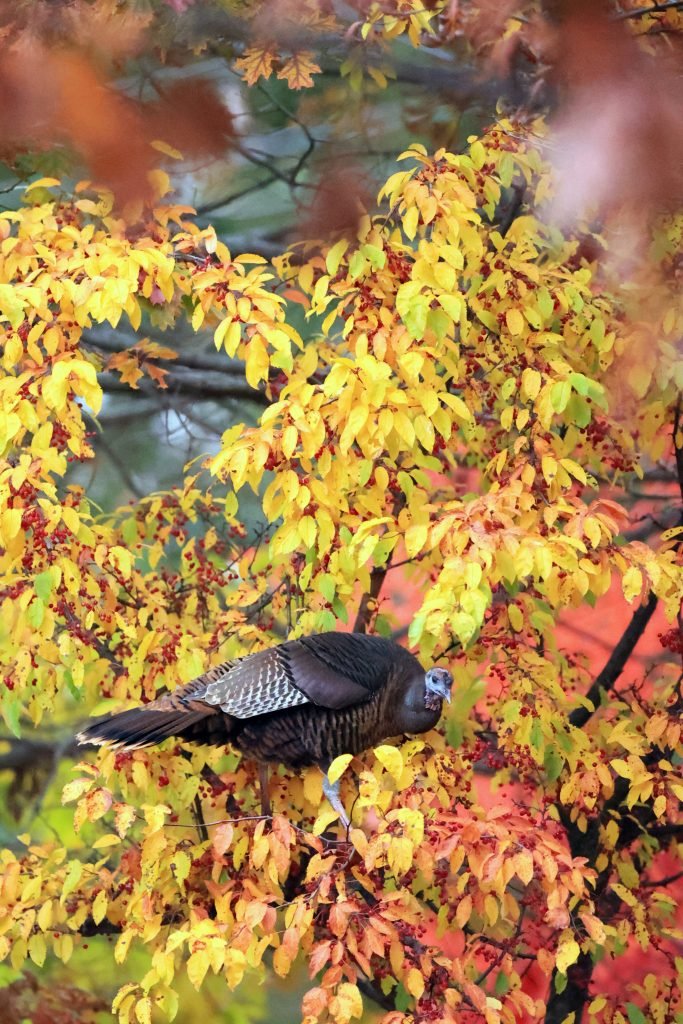
Forty states offer a fall wild turkey hunt, as many states remain stable or have seen populations and harvest data rebound. Nine states, not including Alaska, which has no huntable turkey population, do not have a fall turkey season. The NWTF Fall Hunt Guide provides information provided by each state to help our members get out in the field and experience the power of the outdoors this autumn.
WEBSITE: https://tpwd.texas.gov/
2026 FALL TURKEY SEASON DATES: See regulations: https://tpwd.texas.gov/regulations/ outdoor-annual/regs/animals/turkey
FALL BAG LIMIT: Annual bag limit of four birds statewide (no fall hunting allowed in counties with a one-gobbler bag limit)
DOGS ALLOWED? Yes
ESTIMATED NUMBER OF FALL TURKEY HUNTERS: 55,000
SPRING DEADLINES: Nov. 1
2026 SPRING TURKEY HARVEST DATA: 16,520 (mandatory harvest reporting)
2026 SPRING LICENSED TURKEY HUNTERS: 60,000 (five-year average – small game harvest survey) NOTES: Mandatory harvest reporting required statewide.
TURKEY HARVEST MAP: https://experience.arcgis.com/experience/894b16a6351c49f2a561882fd5175385
Read More